


Natural Approaches and Advanced Care for Ankle Cartilage Damage: Balancing Supplements, Rehabilitation, and Expert Guidance
Introduction
Ankle cartilage damage occurs when the smooth, cushioning tissue that covers the ends of the bones in the ankle joint becomes injured or starts to deteriorate. This cartilage is vital as it enables the joint to move smoothly and absorbs the shocks we experience when walking or running. When damaged, it can affect mobility and significantly reduce quality of life. Causes range from sudden trauma and repetitive strain to natural wear and tear with age. Common symptoms include pain, swelling, stiffness, and difficulty moving the ankle. This article will explore natural ways to support cartilage health, the role of supplements, treatment options, and the expert care available at the London Cartilage Clinic, led by Professor Paul Lee.
Understanding Ankle Cartilage and Common Injuries
The ankle joint depends on cartilage to cushion and protect the bones, allowing smooth, pain-free movement. Unfortunately, this cartilage is delicate and vulnerable to injury, whether from a sudden sprain, fracture, or the cumulative effects of overuse. Age-related cartilage wear also raises the risk of osteoarthritis developing in the ankle.
Typical signs of cartilage damage include persistent pain, swelling, stiffness, and a feeling that the ankle is unstable or weak. Detecting these issues early is essential to prevent further damage. Magnetic Resonance Imaging (MRI) is extremely useful in this regard, providing detailed images of cartilage and the surrounding tissues to help clinicians understand the extent of injury.
Radiographic imaging can also play an important role. One study found, “The positive predictive value of cartilage damage increased from 77% for medial joint space narrowing regardless of the presence of talar tilting to 98% for medial joint space narrowing with talar tilting” (Moon et al., 2010). This means that certain X-ray signs, especially when combined, strongly point towards cartilage damage. The inclusion of talar tilting—a tilt in the ankle bone—in grading systems was shown to improve accuracy in assessing cartilage injury.
Moreover, experts describe ankle cartilage damage as a progressive process: “cartilage damage in the ankle is rarely an isolated event but more often a progressive cascade,” meaning that even small injuries can set off a chain of worsening damage over time (Dahmen et al., 2021). Understanding this helps explain why early care is so important.
Natural Methods to Support Cartilage Health
Supporting the health of ankle cartilage begins with lifestyle changes that reduce pressure on the joint and encourage overall wellbeing. Maintaining a healthy body weight is crucial, as excess weight increases the load on the ankle. Exercising regularly with low-impact activities like swimming or cycling helps strengthen the muscles around the ankle without causing further stress.
A nutritious diet rich in anti-inflammatory foods—such as oily fish (rich in omega-3 fatty acids), colourful fruits and vegetables (packed with antioxidants), and vitamins—can also benefit joint health. While these natural approaches help preserve existing cartilage and may aid minor repair, it’s important to understand that substantial regrowth of damaged cartilage through diet and lifestyle alone is unlikely.
Free non-medical discussion
Not sure what to do next?
Information only · No medical advice or diagnosis.
The Role of Supplements and Vitamins in Cartilage Repair
Many people turn to supplements aiming to support cartilage repair. Common ones include glucosamine, chondroitin, collagen peptides, and vitamins C and D. While most research has focused on the knee, some findings show these supplements can help reduce symptoms and support cartilage maintenance. However, results vary and are sometimes inconclusive.
The ankle joint may benefit in a similar way, but more specific research is needed. Patients often ask about the “best supplement for knee cartilage” or which vitamins are effective for cartilage repair. It’s essential to remember that supplements work best as part of a complete treatment plan—not as the only approach—and that effects can differ between individuals.

Treatment Options: From Conservative to Surgical Interventions
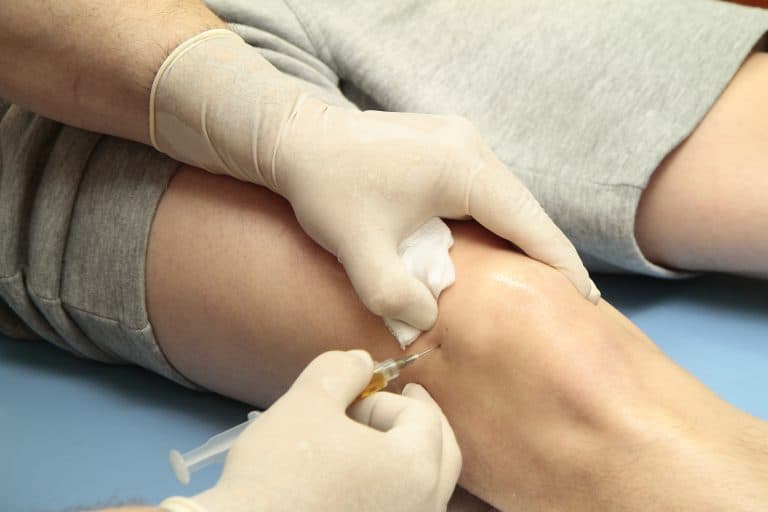
Treatment for ankle cartilage damage ranges from conservative therapies to surgical procedures. Physiotherapy plays a key role in restoring strength, flexibility, and joint function. Alongside this, medical treatments such as injections with lubricating substances or platelet-rich plasma (PRP) can often reduce pain and encourage healing.
When more conservative measures do not achieve results, surgical options may be necessary. One common procedure is arthroscopic microfracture surgery, which involves creating tiny holes in the bone beneath the damaged cartilage to stimulate new tissue growth. A recent clinical study found that patients undergoing this procedure experienced notably better outcomes: “the total treatment effectiveness of the experimental group [with microfracture] was higher than that in the control group” and “after treatment, symptoms were significantly relieved, inflammation reduced, pain eased, and quality of life improved” (Li, 2024).
Recovery after surgery requires patience and a carefully tailored rehabilitation plan. It typically involves gradual loading of the joint and physiotherapy over several months to regain strength and mobility.
Choosing the right treatment depends on the severity of the damage, patient health, and personal goals. Both non-surgical and surgical options seek to improve joint function and quality of life.
Expert Care at the London Cartilage Clinic
Professor Paul Lee is a highly respected orthopaedic specialist with extensive experience in treating cartilage injuries. At the London Cartilage Clinic, patients have access to a multidisciplinary team offering comprehensive assessments and personalised treatment plans suited to each individual's needs.
The clinic’s professional yet welcoming environment supports patients throughout every stage of their journey—from diagnosis and treatment through to recovery and rehabilitation. For those facing complex or persistent ankle cartilage problems, expert input is invaluable in accessing the latest techniques and ensuring the best possible outcomes.
Conclusion and Disclaimer
Understanding ankle cartilage damage is vital to choosing the right care. While natural strategies such as lifestyle changes and supplements can help maintain cartilage health, they are unlikely to fully repair significant damage on their own. Treatment options span from physiotherapy to advanced surgical techniques, emphasising the importance of expert guidance.
If you experience persistent ankle pain or swelling, seek advice from a qualified healthcare professional for personalised assessment and treatment.
References
Moon, J.-S., Shim, J. C., Suh, J.-S., & Lee, W.-C. (2010). Radiographic predictability of cartilage damage in medial ankle osteoarthritis. Clinical Orthopaedics and Related Research, 468(8), 2188–2197. https://doi.org/10.1007/s11999-010-1352-2
Dahmen, J., Karlsson, J., Stufkens, S. A. S., & Kerkhoffs, G. M. M. J. (2021). The ankle cartilage cascade: incremental cartilage damage in the ankle joint. Knee Surgery Sports Traumatology Arthroscopy, 29(11), 3503–3507. https://doi.org/10.1007/s00167-021-06755-w
Li, Z. (2024). The effect of arthroscopic microfracture in the treatment of ankle osteoarthritis combined with cartilage damage. Bone and Arthrosurgery Science, 2(1), 60–65. https://doi.org/10.26689/bas.v2i1.6332
Frequently Asked Questions
- The main symptoms of ankle cartilage damage are persistent pain, swelling, stiffness and a feeling of weakness or instability in the ankle. Early identification is key, and Professor Paul Lee at the London Cartilage Clinic offers expert assessment for such issues.
- At the London Cartilage Clinic, Professor Lee and his team use advanced imaging, such as MRI, combined with clinical expertise to accurately assess cartilage damage. They develop personalised treatment plans to suit each patient’s specific injury and lifestyle.
- Maintaining a healthy weight, engaging in low-impact exercise, and eating a balanced diet with anti-inflammatory foods can support cartilage health. Professor Lee’s clinic provides tailored advice to help patients implement these beneficial lifestyle changes alongside medical care.
- Supplements like glucosamine, chondroitin, and collagen may reduce symptoms and support joint health, though benefits vary. Professor Lee’s approach integrates evidence-based supplement advice as part of a broader, personalised treatment programme at the London Cartilage Clinic.
- Professor Paul Lee, a Regional Surgical Ambassador and Royal College of Surgeons Advisor, leads a multidisciplinary team at the London Cartilage Clinic. Their advanced techniques, comprehensive care and expertise make them a trusted choice for complex cartilage injuries.
Legal & Medical Disclaimer
This article is written by an independent contributor and reflects their own views and experience, not necessarily those of London Cartilage Clinic. It is provided for general information and education only and does not constitute medical advice, diagnosis, or treatment.
Always seek personalised advice from a qualified healthcare professional before making decisions about your health. London Cartilage Clinic accepts no responsibility for errors, omissions, third-party content, or any loss, damage, or injury arising from reliance on this material.
If you believe this article contains inaccurate or infringing content, please contact us at [email protected].
London Cartilage Clinic
Ready to explore your options?
Our consultant-led team specialises in cartilage repair, regeneration and replacement — tailored to your diagnosis and long-term goals.
Will the Arthrosamid work for me
PAAG-8+ Questionnaire
A bright, structured entry point for patients exploring Arthrosamid. The questionnaire helps frame suitability, expectations, and 24-month clinical benefit discussion before a fuller consultant-led review.
Designed for shared decision-making. It does not replace specialist consultation, examination, imaging review, or formal medical advice.